
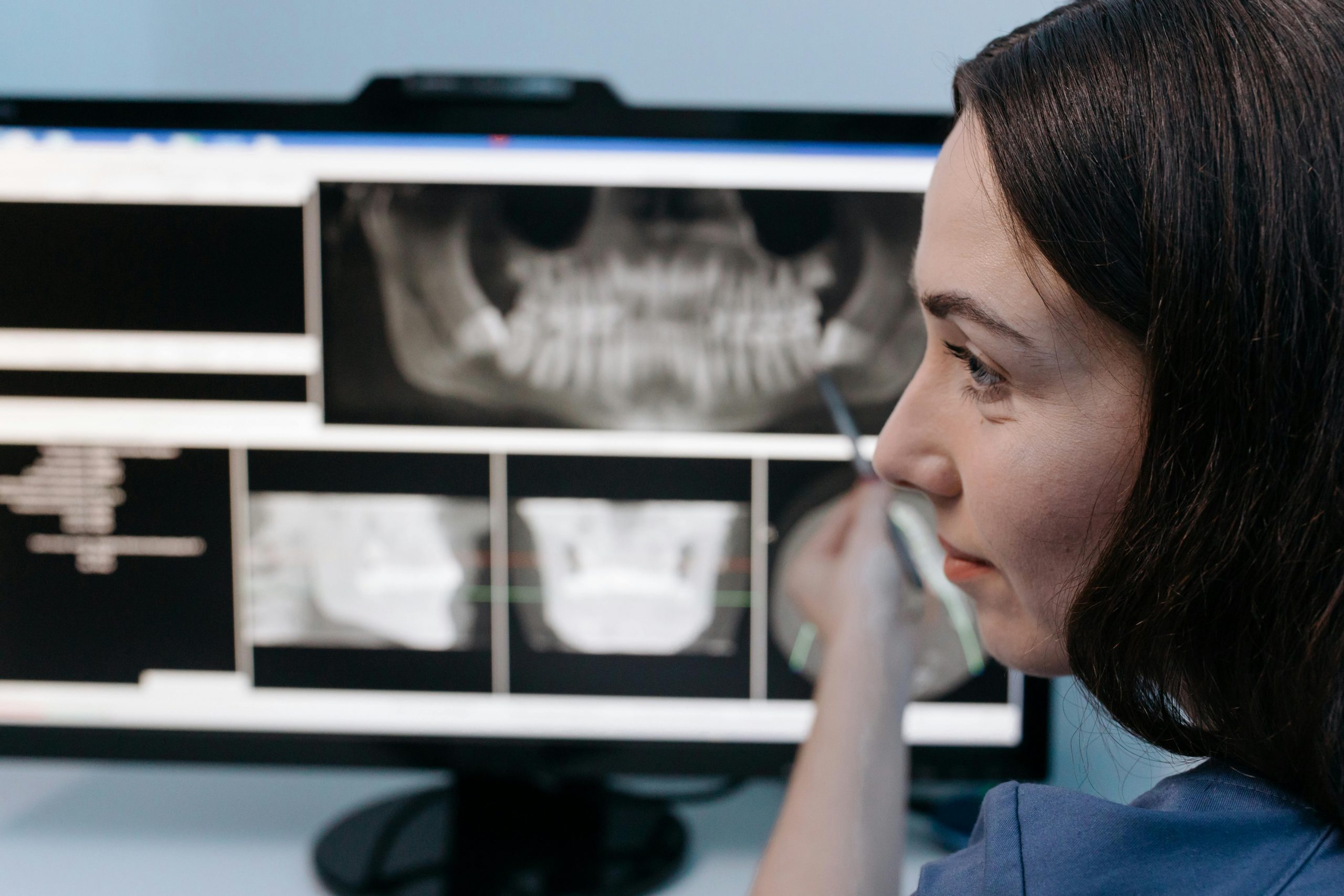
Biomimetic restorative dentistry gently repairs teeth to restore their natural strength, function, and appearance. Rather than removing large parts of a tooth, this caring approach preserves as much healthy structure as possible while fixing damaged areas with advanced bonding materials.
Here at our welcoming, modern Fergus dental clinic, we use biomimetic restorations to repair teeth affected by decay, cracks, or structural damage. If you’re looking into biomimetic dentistry in Ontario, you might notice that this approach offers a gentle, conservative alternative to traditional fillings or crowns. Understanding how this method differs from typical treatments can help patients make informed decisions.
Only a small percentage of dental clinics in Canada currently offer biomimetic restorative procedures due to the additional time, materials, and techniques involved. To appreciate what sets this approach apart, it’s helpful to explore the foundational principles of biomimetic dentistry before considering if it fits your needs.
What is Biomimetic Dentistry?
Biomimetic dentistry is a modern restorative approach that repairs teeth by replicating their natural structure and function.
Rather than preparing the tooth for a crown or removing large sections of healthy enamel, biomimetic techniques rebuild the tooth in layers. Modern adhesive materials bond directly to the remaining tooth structure, allowing the restored tooth to flex and function more like a natural one.
This approach is dedicated to preserving your natural smile, supporting long-term strength and comfort.
Benefits of Biomimetic Fillings:
Biomimetic restorations are carefully designed to support your natural tooth while gently repairing damaged areas.
Common benefits include:
- More conservative and less invasive treatment
- Preservation of healthy tooth structure
- Strong, durable bonding
- Natural-looking restorations
- Improved comfort when chewing
- Reduced risk of future tooth fractures
Bonded restorations let your smile look and feel natural.
Biomimetic Dentistry vs Conventional Dentistry
Traditional restorative dentistry often requires removing additional tooth structure to place a crown or filling. Biomimetic dentistry takes a more conservative approach.
Biomimetic Dentistry
Conventional Dentistry
- Minimal drilling
- Preserves natural tooth structure
- Long-lasting bonded restorations
- Natural appearance
- Uses advanced, biocompatible materials
- More aggressive drilling
- Removes larger portions of tooth structure
- Restorations may develop gaps over time
- Greater stress on the remaining tooth
- Commonly depends on more traditional materials
Treatment Showcase

Before

During

After
Why Biomimetic Restorations Are Different
Preserving Natural Teeth
Biomimetic restorations remove only the decayed or damaged portion of the tooth. Compared to crowns, this method allows much more of the natural tooth to remain intact.
Sealed Protection
The materials in biomimetic restorations bond tightly to the tooth. This seal helps keep bacteria out, which can lower the risk of decay, sensitivity, or fractures.
Long-Term Durability
Traditional crowns often need replacement after a few years. Biomimetic restorations rebuild the tooth from the inside, and many last 15 years or more.
Natural Function
When healthy tooth structure is preserved, the restored tooth can continue to flex and function more naturally during everyday use.
Patients visiting a high-tech dentist in the Fergus location may encounter biomimetic restorations as part of modern restorative treatment options.
What Goes Into Biomimetic Dentistry
To understand how patients benefit from these procedures, let’s look at what goes into biomimetic restorative dentistry.
Careful Preparation
The process starts by finding decay and cracks in the tooth. Special dyes and magnification help clearly show damaged areas.
Only the affected portion of the tooth is removed, allowing the remaining structure to support the restoration.
Advanced Bonding
Unlike some traditional restorations that sit on top of the tooth, biomimetic restorations bond directly to it. This layered bonding process helps restore strength and stability while protecting the tooth from bacteria.
Long-Term Bonding
After finishing, the restoration stays bonded to the tooth. The materials help restore your natural tooth rather than replace it.
Cost:
Biomimetic restorations typically require additional treatment time and specialized materials. Because of this, the cost may be higher than traditional fillings.
Patients considering biomimetic dentistry in Ontario should be aware that insurance coverage may vary depending on the provider and plan.
Insurance Information
Insurance coverage for biomimetic restorative procedures can vary. If your plan does not fully cover treatment, you may be responsible for a portion of the cost.
Treatment estimates can be reviewed before beginning care.
Warranty:
While traditional fillings commonly include a limited two-year warranty, biomimetic restorations may include a 10-year warranty when the following conditions are met:
- Regular dental checkups and hygiene appointments every 4 months
- Following all post-treatment care instructions
- No damage due to trauma, grinding, or new decay
- The restoration has not been altered by another dental provider
Have questions about biomimetic restorative dentistry? Schedule a visit at our dental clinic to discuss treatment options and determine whether this modern restorative approach is appropriate for you.
Get in touch with Country Dental
Dental Office Hours
Tuesday
Wednesday
Thursday
Friday
Saturday
Sunday
9 am – 6 pm
9 am – 7 pm
9 am – 7 pm
9 am – 3pm
Appointment Only
Closed

