Essential Toothbrushing Tips from Your Dentist in Fergus for Healthier Smiles
Practicing good oral hygiene is fundamental to preserving your dental health for years to come. While daily brushing is widespread, uncertainty often remains about the best techniques, optimal timing, and which tools to use. To empower patients and enhance home care, Country Dental addresses five of the most common questions about toothbrushing—offering clear guidance that complements the advantages of routine dental cleanings in Fergus and professional teeth cleaning in Guelph. (Source: Healthline, 5 Toothbrushing FAQs, Medically reviewed by Christine Frank, DDS — Written by Crystal Raypole, on April 1, 2019, https://www.healthline.com/health/how-long-should-you-brush-your-teeth).
Brushing your teeth is crucial for eliminating plaque, lowering the risk of cavities, and maintaining healthy gums. However, even the most dedicated routines can yield less effective results if technique or timing is overlooked.
“Daily brushing is essential, but how it’s done matters just as much as how often,” says Country Dental. “We often see patients who maintain regular routines but could improve their outcomes with a few small adjustments. These habits can make a noticeable difference between visits to a general dentist in Fergus.”
1. How long should I brush my teeth?
Brushing for at least two minutes, twice a day, allows enough time to clean all tooth surfaces effectively.
“Two minutes gives you the opportunity to clean thoroughly without rushing,” explains Country Dental. “A helpful approach is to divide your mouth into sections and spend equal time on each. This kind of consistency supports better oral health and helps maintain the results of your routine dental cleaning in Fergus.”
2. How should I brush my teeth?
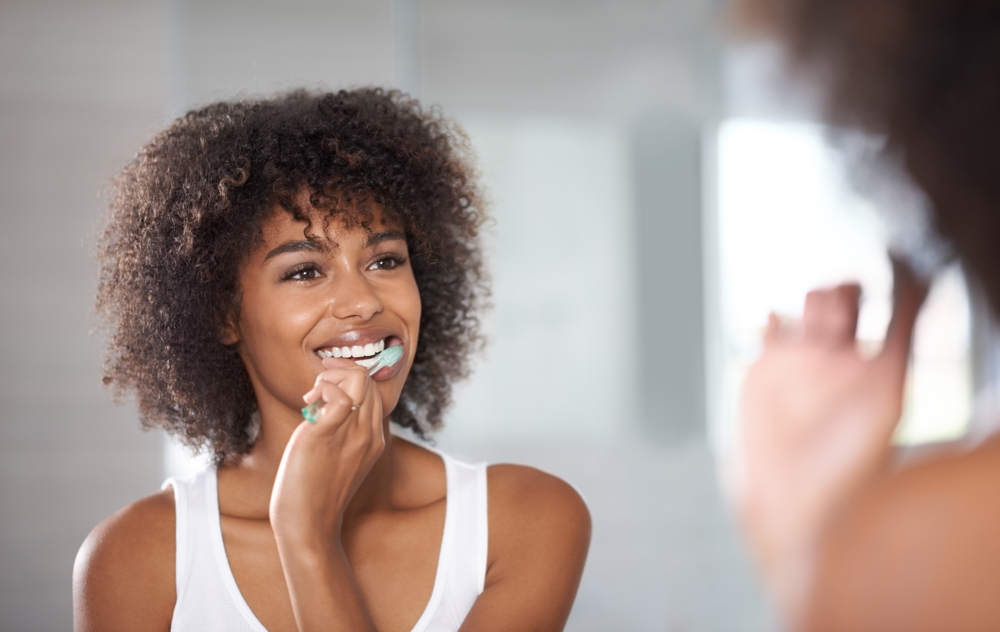
Using the right technique is key. This includes holding the toothbrush at a slight angle toward the gums, using gentle circular motions, and covering all surfaces of the teeth.
“Brushing technique has a direct impact on gum health and enamel protection,” notes Country Dental. “Applying too much pressure or brushing vigorously can lead to irritation, while inconsistent coverage can leave plaque behind. Patients who focus on technique often see more balanced results during professional teeth cleaning in Guelph.”
3. When’s the best time to brush my teeth?
Brushing twice daily is important, especially before bed, to remove buildup from the day.
“Brushing at night helps reduce the amount of bacteria that sits on your teeth while you sleep,” says Country Dental. “It’s also a good idea to wait a short time after consuming acidic foods or drinks before brushing, which helps protect enamel. Timing plays a subtle but important role in overall oral care.”
4. Can you brush your teeth too much?
Brushing too often or using excessive force can lead to enamel wear and gum recession.
“More pressure doesn’t mean a better clean,” Country Dental explains. “A gentle approach with a soft-bristled toothbrush is more effective and safer for long-term oral health. If there are signs of wear, adjustments can be made with guidance from a general dentist in Fergus.”
5. What kind of toothbrush should I be using?
A soft-bristled toothbrush is typically recommended, and it should be replaced every three to four months or when bristles show signs of wear.
“The type of toothbrush you use can influence both comfort and effectiveness,” says Country Dental. “Soft bristles clean efficiently while being gentle on gums. For some patients, electric toothbrushes can help improve consistency. These choices can support better outcomes alongside regular dental cleaning in Fergus.”
Good oral hygiene starts with daily habits, but consistency and technique are what shape long-term results. Combining at-home care with routine visits helps maintain a healthy smile.
“Brushing and flossing are part of the foundation, but regular checkups and cleanings remain important,” concludes Country Dental. “Professional teeth cleaning in Guelph and Fergus helps address buildup that can’t be removed at home and provides an opportunity to refine daily routines for better overall oral health.”